As industries increasingly utilize carbon fiber for its lightweight and high-strength properties, the demand for effective cutting tools rises. Hard Metal Blades For Carbon Fiber are at the forefront of this evolution. According to a 2021 report from Research and Markets, the global carbon fiber market is projected to grow at a CAGR of 9.6% through 2028. This growth emphasizes the need for tools specifically designed to handle such advanced materials.
Understanding the nuances of cutting carbon fiber is crucial for manufacturers. Traditional blades often fall short, leading to increased costs and waste. Hard Metal Blades For Carbon Fiber offer a solution by providing precise cuts and extended tool life. A study by the International Journal of Advanced Manufacturing Technology highlights that using specialized blades can reduce production time by up to 30%. This statistic highlights the importance of investing in quality tools.
However, it’s essential to acknowledge challenges in the industry. Not all hard metal blades perform equally, and selecting the right one requires careful consideration. Users often overlook factors such as blade geometry and coating. These aspects can significantly influence cutting efficiency and quality. Therefore, evaluating different options is key to optimizing performance in carbon fiber applications.
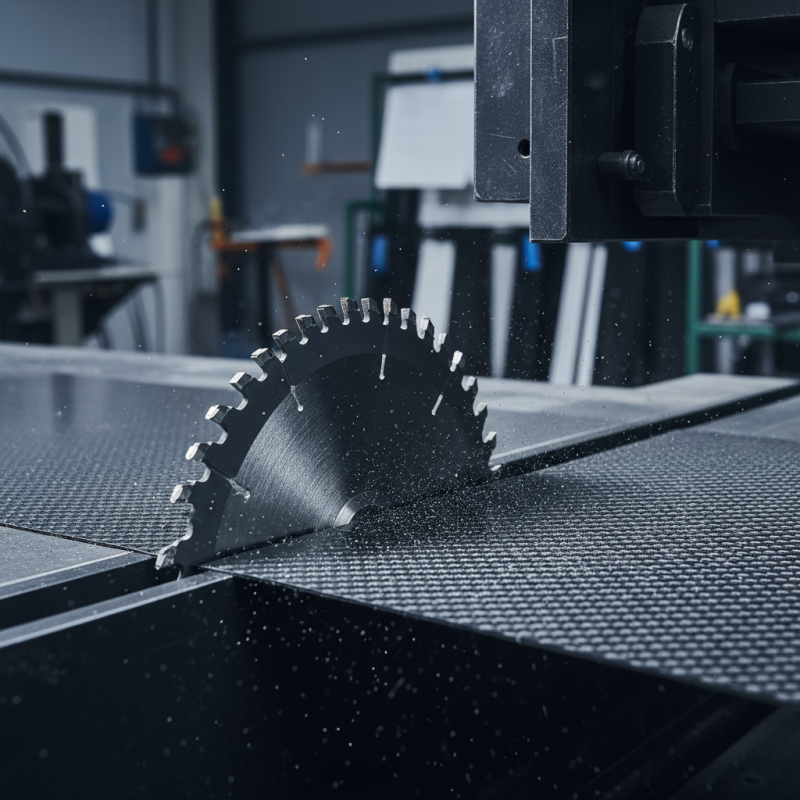
Hard metal blades play a pivotal role in cutting carbon fiber. Their design and material make them ideal for handling this complex composite. Carbon fiber is widely used in aerospace and automotive industries. These sectors value precision and reliability in cutting tools.
According to a report from the International Journal of Advanced Manufacturing Technology, hard metal blades can enhance cutting speed by up to 30%. This efficiency is crucial for manufacturers aiming to optimize production time. However, there are challenges. Some blades wear out faster than expected, leading to increased costs. Regular maintenance and proper blade selection are vital.
Moreover, the choice of blade geometry can significantly affect cutting performance. A study from the Journal of Composite Materials indicates that incorrect angles can reduce accuracy. This can result in material wastage and time loss. Understanding these aspects is essential for achieving the best results when working with carbon fiber.
Key materials play a crucial role in creating hard metal blades designed for cutting carbon fiber. Tungsten carbide is one of the most common materials used. This dense compound ensures durability and strength, essential for cutting through tough materials. The high hardness level allows for extended tool life, reducing downtime during production.
Another relevant material is cobalt. Cobalt improves the toughness of tungsten carbide, enhancing resistance to wear and deformation. This combination is particularly vital when dealing with abrasive carbon fiber layers. However, there is a trade-off; increasing cobalt content can raise costs and complicate manufacturing processes.
Performance is paramount, yet challenges remain. Achieving the perfect balance between hardness and toughness is difficult. Too much hardness makes blades brittle. Yet, too much flexibility can lead to premature wear. Continuous experimentation is necessary to refine these materials, ensuring optimal performance. This intricate balance underscores the evolving nature of blade design for carbon fiber applications.
This chart represents the performance index of various hard metal blade types suitable for cutting carbon fiber. Each type has its unique properties contributing to its performance in industrial applications.
When selecting hard metal blades for carbon fiber applications, several features stand out. Quality materials are crucial. High-speed steel or carbide can withstand the demands of cutting dense composites. Such materials resist wear and maintain sharpness over time. This reliability ensures precision in intricate projects.
Blade geometry is another key feature. An optimized tooth design can significantly affect cutting efficiency. A blade with a larger gullet can remove debris more effectively, which prevents overheating. Additionally, the right number of teeth aids in controlling the finish of the cut. Too many teeth can lead to chipping in carbon fiber, so balance is essential.
Edge treatment plays a vital role as well. Coatings like titanium nitride can enhance durability and provide a smoother cut. However, some coatings may not be suitable for all applications. A little exploration into various options will help determine the best choice. Understanding the specific needs of your project can minimize trial and error, leading to better results. Thoughtful analysis of these features can dramatically impact performance and satisfaction.
In the rapidly evolving world of composite materials, hard metal blades stand out for their efficiency in cutting carbon fiber. A recent industry report indicates that the market for cutting tools specifically designed for carbon fiber is expected to grow by 7.5% annually. This underscores the increasing demand for high-quality blades.
When analyzing leading brands, several factors must be considered. The composition of the blade material and its design significantly impact performance. For instance, carbide-tipped blades often exhibit superior durability. A study found that these blades maintain their sharpness 30% longer than standard steel counterparts. Yet, some blades may struggle with heat management, which can lead to premature wear when cutting at high speeds.
User experience reveals mixed feedback regarding blade life and cutting precision. Some users report inconsistencies in performance across different materials. This highlights the need for more comprehensive testing and reporting standards in the industry. Repair and maintenance also pose challenges. While hard metal blades can be re-sharpened, the process can be costly and time-consuming. Understanding these variables is crucial for craftsmen and industries alike.
Maintaining hard metal blades is crucial for their effectiveness. Carbon fiber materials require precise cutting. Wear and tear can significantly affect blade performance. Regular maintenance ensures longevity and prevents unexpected issues.
Regularly inspect the blades for damage. Look for chipping or dullness. If you notice irregularities, it's time for sharpening. Keeping blades sharp improves cutting efficiency. Additionally, clean the blades after each use. dust and debris can accumulate, impacting performance.
Consider using a protective case when storing blades. This minimizes exposure to moisture and environmental factors. Proper storage significantly extends their lifespan. Be mindful of the cutting angle and pressure used during operations. Overexertion may lead to unnecessary wear. Remember, cutting with precision today can save you replacement costs tomorrow.
: Hard metal blades are ideal for cutting carbon fiber in aerospace and automotive industries.
They can enhance cutting speed by up to 30%, optimizing production time for manufacturers.
Some blades may wear out faster than expected, leading to increased costs and maintenance needs.
Incorrect angles can reduce cutting accuracy and lead to material wastage during the cutting process.
High-speed steel or carbide are recommended as they resist wear and maintain sharpness effectively.
An optimized tooth design helps remove debris better and prevents overheating during cutting operations.
Regularly inspect for chipping or dullness. If found, it's time to sharpen or replace the blade.
Clean the blades after each use and store them in a protective case to minimize damage and wear.
Coatings like titanium nitride can enhance durability and provide smoother cuts, but effectiveness varies.
Be mindful of cutting angle and pressure to avoid unnecessary wear and ensure precision during cutting.
The article "2026 Best Hard Metal Blades For Carbon Fiber Solutions" provides a comprehensive overview of the significance of hard metal blades for carbon fiber cutting. It highlights the essential materials that contribute to optimal performance, ensuring that these blades can effectively handle the unique challenges presented by carbon fiber.
Furthermore, the article details the key features to consider when selecting hard metal blades for carbon fiber applications, emphasizing durability, precision, and cutting efficiency. A comparative analysis of various leading brands is also presented, giving insights into their performances and benefits. Lastly, practical maintenance tips are offered, aimed at extending the lifespan of hard metal blades for carbon fiber, ensuring users can maximize their investment and productivity in cutting tasks.

Shen Gong Carbide