Choosing the right tools is crucial in any industrial process. Carbide knives for rubber cutting stand out in this regard. These knives are specifically designed to handle the unique challenges posed by rubber materials. They provide clean cuts and longevity, making them essential in various applications.
Rubber has distinct properties that require specialized cutting tools. Traditional knives may struggle, leading to inefficiencies and increased costs. Carbide knives for rubber cutting offer a solution. Their sturdy composition ensures durability, while precision engineering allows for smoother operation. This combination enhances productivity and product quality in manufacturing.
However, selecting the right carbide knife involves careful consideration. Factors such as blade geometry, coating, and manufacturer reputation play significant roles. It is essential to assess these elements to make an informed decision. Investing in high-quality carbide knives can yield long-term benefits, although the initial costs may seem high. Balancing these factors requires insight and experience. Understanding the nuances of these tools is vital for optimal rubber cutting performance.
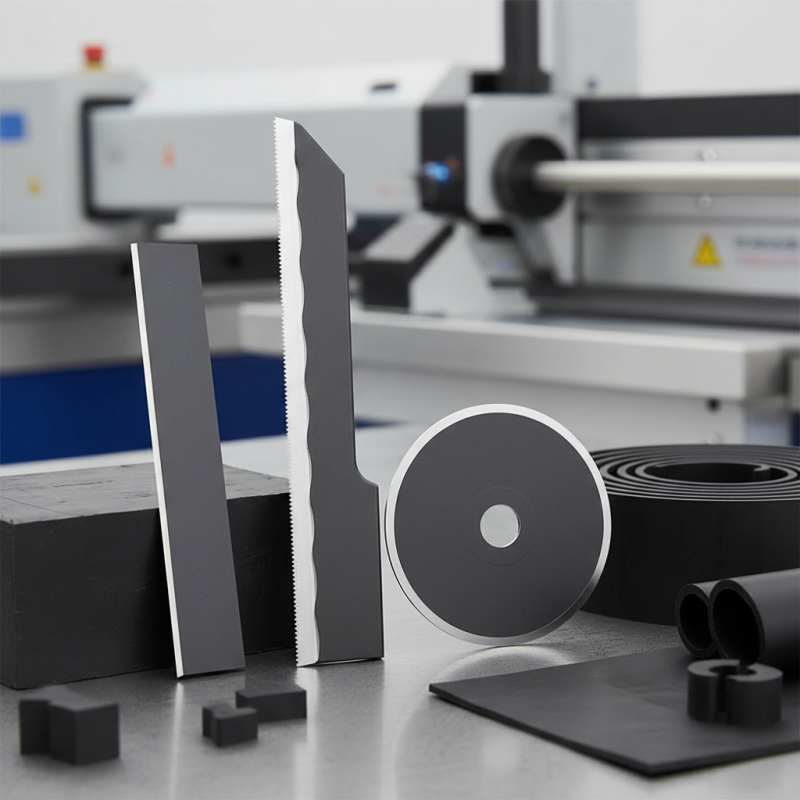
When selecting carbide knives for rubber cutting, several factors play a crucial role. The geometry of the knife is essential. A sharp, well-defined edge can ensure a cleaner cut. However, not every edge shape suits all rubber types. Testing different edge profiles on sample materials is a good approach to see what works best.
Another factor to consider is the coating of the knife. Coatings can enhance durability and performance. Still, choosing the wrong coating might result in chipping or reduced efficiency. Therefore, understanding the specific rubber properties is vital. Hardness, elasticity, and thickness all impact the knife's effectiveness. Different rubbers may require different approaches.
You should also consider the application method. Carbide knives can be used in various settings: manual, automatic, or CNC machinery. Each method may affect the required specifications. Ensuring compatibility with your equipment can avoid downtime and maintain productivity. Always reflect on your previous cutting experiences. What worked? What didn’t? Gathering insights can lead to better choices next time.
Choosing the right carbide knives is crucial for efficient rubber cutting. Different types of carbide knives excel in diverse applications, impacting performance and quality. For instance, beveled-edge carbide knives are particularly effective for cutting thick rubber materials. Their design allows for better penetration and cleaner cuts. In contrast, straight-edge knives are ideal for precision cuts in thinner rubber sheets.
In the rubber manufacturing industry, the choice of knife can significantly influence productivity. Research shows that using high-quality carbide knives can enhance cutting efficiency by 30% compared to lower-grade options. These knives offer longevity and durability, reducing the need for frequent replacements. However, many users overlook the importance of maintenance. Regular sharpening and proper storage are essential to maximize their lifespan.
Additionally, it is important to consider the specific rubber type being cut. Rubber compounds vary greatly in density and composition. This diversity means that one knife type does not suit all applications. Users often find themselves needing multiple knives to meet production demands. Balancing performance and versatility is key. Observing and reflecting on the cutting process can lead to better knife choices.
When selecting carbide knives for rubber cutting, it’s essential to assess their design features. The blade geometry is crucial. A sharp, angled blade helps in making precise cuts. Look for knives with a fine edge to ensure clean separation of rubber materials.
Another important aspect is the hardness of the carbide material. Harder carbide offers longer-lasting performance but might be brittle. This balance can be tricky to find. Users often need to experiment with different hardness levels to see which one meets their needs best. Additionally, consider the thickness of the blade. Thinner blades can provide better maneuverability but may wear out quicker than thicker ones.
Finally, pay attention to the knife’s coating. Some coatings provide anti-stick properties, preventing material from adhering during cuts. This feature can improve efficiency and accuracy. Not all coatings perform the same, so it’s wise to read reviews or seek recommendations from industry experts. Evaluating these features ensures you select the right carbide knives for optimal rubber cutting performance.
Carbide knives are known for their durability and efficiency in rubber cutting. To extend their lifespan, proper maintenance is essential. Regular cleaning is a must. After every use, wipe the blades with a soft cloth to remove debris. This simple action prevents the buildup of rubber and keeps the edge sharp.
Proper storage plays a critical role, too. Store knives in a dry place, ideally in a protective case. Moisture can lead to rust, which shortens the life of your knives. It's important to check them periodically for wear. If a blade shows signs of damage, consider sharpening it rather than waiting too long. Ignoring small issues can lead to bigger problems down the line.
Lastly, be mindful of how you use the knives. Using too much force can dull the blade faster. Cut with a consistent, gentle pressure to avoid unnecessary wear. Reflect on your cutting techniques regularly; even small adjustments can offer significant benefits in knife longevity.
When it comes to rubber cutting, choosing the right knife material is crucial. Carbide knives boast superior durability compared to steel and ceramic options. Their hardness allows for cleaner cuts and reduces wear over time. Many professionals prefer carbide knives for high-volume tasks. They maintain sharpness longer, increasing productivity.
However, carbide knives can be more brittle. This brittleness can lead to chipping when used incorrectly. In contrast, steel knives may be less durable but are more flexible. For intricate cuts, some users opt for ceramic knives. They provide sharp edges but may dull faster than carbide.
Ultimately, the choice depends on the specific cutting requirements. Operators must reflect on their cutting frequency and desired outcome. The environment plays a role, too. Factors like humidity and temperature can influence knife performance. Understanding these nuances can help in making an informed decision.
: Geometry, coating, rubber properties, and application method are important factors.
A sharp edge improves cutting quality, but not every edge shape suits all rubber types.
Coatings enhance durability, but a poor choice can cause chipping or inefficiency.
Consider hardness, elasticity, and thickness, as they affect cutting effectiveness.
Carbide knives can be used manually, automatically, or in CNC machinery.
Beveled-edge knives work well for thick materials, while straight-edge knives suit precision cuts.
Regular sharpening and proper storage are crucial for maximizing knife lifespan.
Different rubber compounds require different knives to meet production demands effectively.
Reflecting on what worked or didn’t helps improve future selections and efficiency.
Observing the cutting process can lead to better decisions about knife types.
When selecting carbide knives for rubber cutting, it is essential to consider several factors including the specific application, the type of rubber being processed, and the desired cutting efficiency. Various types of carbide knives are suited for different applications, and evaluating their key features, such as hardness, edge retention, and cutting geometry, can significantly impact performance.
Additionally, proper maintenance is crucial to extend the life of carbide knives for rubber cutting, ensuring they remain effective over time. A comparative analysis illustrates that carbide knives often outshine other materials in durability and cutting precision, making them an excellent choice for those seeking reliable tools in rubber processing applications.

Shen Gong Carbide