In today's competitive manufacturing landscape, selecting the right tools is crucial. Solid Carbide Cutting Tools stand out for their superior performance and durability. These tools are crafted from premium materials, ensuring they withstand intense cutting conditions.
Manufacturers often face challenges with tool wear and downtime. Solid Carbide Cutting Tools can help mitigate these issues. Their rigidity allows for precise cuts, reducing material waste. Though they may have a higher upfront cost, the long-term benefits can outweigh the initial investment.
Businesses must reflect on their specific needs. While Solid Carbide Cutting Tools excel in many areas, they may not be suitable for all applications. Understanding the nuances of these tools can lead to better decision-making and improved production efficiency.
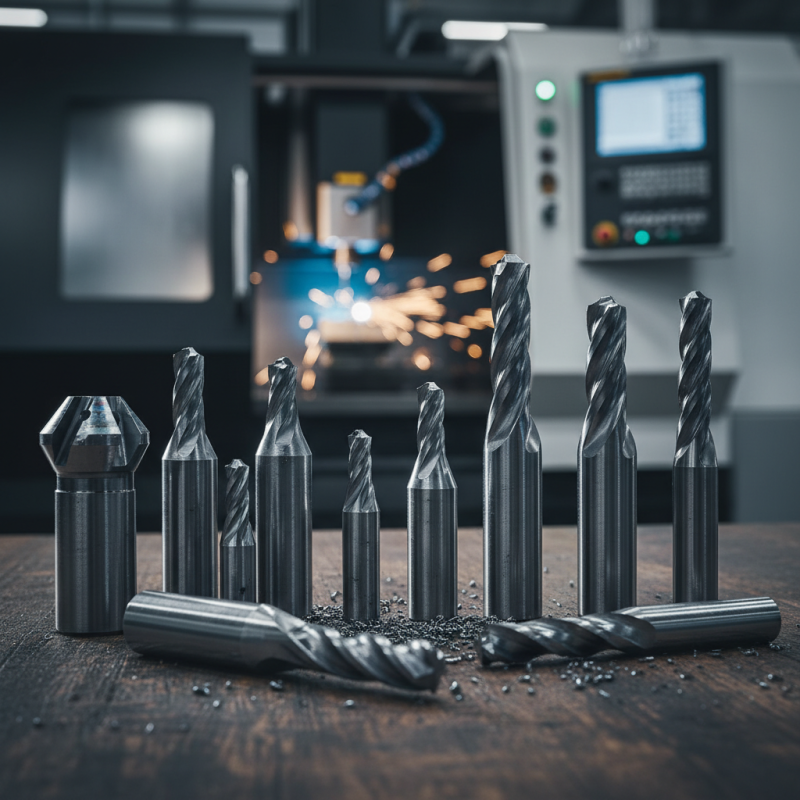
Solid carbide cutting tools are gaining popularity for their exceptional efficiency in manufacturing. These tools offer a longer lifespan compared to traditional materials. According to industry reports, solid carbide tools can last up to five times longer than high-speed steel tools. This durability leads to reduced downtime and lower overall production costs.
The precision of solid carbide tools contributes significantly to manufacturing processes. Studies indicate that they enhance machining accuracy by up to 30%. This improvement often translates into superior product quality and reduced waste. However, high upfront costs can deter some businesses. Investing in these tools requires a careful analysis of long-term benefits versus initial expenses.
While solid carbide cutting tools excel in many areas, they also have limitations. For instance, they can be brittle and less forgiving under certain conditions. This brittleness can lead to breakage if not handled properly. Manufacturers need to weigh these risks against the potential efficiency gains. In this dynamic landscape, understanding both the advantages and drawbacks is essential for informed decision-making.
When considering cutting tools for manufacturing, solid carbide options stand out. A comparative analysis shows how they outperform traditional tools. Solid carbide tools offer superior hardness, which leads to better wear resistance. Industry reports suggest that they can last up to three times longer than high-speed steel tools. This durability translates into significant cost savings over time.
Another notable advantage of solid carbide tools is their ability to maintain sharpness. Traditional tools tend to dull quickly, increasing production downtime. In contrast, solid carbide maintains its cutting edge for extended periods, enhancing efficiency. According to a recent survey, manufacturers using solid carbide tools reported a 25% reduction in production interruptions. The increased productivity can make a substantial difference in competitive markets.
However, the initial investment in solid carbide tools can be higher. This might deter some businesses from making the switch. It's crucial to weigh the long-term benefits against upfront costs. An assessment of specific production needs can provide valuable insights. In some cases, traditional tools might still look appealing for short-run jobs. Evaluation of tool performance versus cost remains a critical decision factor.
| Feature | Solid Carbide Cutting Tools | Traditional Cutting Tools |
|---|---|---|
| Durability | High resistance to wear and tear | Lower resistance, needs frequent replacement |
| Cutting Speed | Faster cutting speeds | Slower cutting speeds |
| Cost | Higher initial investment | Lower initial cost |
| Precision | Superior precision and finish | Good precision but less consistent |
| Applications | Ideal for hard materials and intricate designs | Suitable for softer materials and general purposes |
| Heat Resistance | Excellent heat resistance | Lower heat resistance |
Choosing solid carbide cutting tools can significantly impact your business's cost-effectiveness over time. Solid carbide tools are known for their durability and precision. According to industry reports, these tools can last two to five times longer than high-speed steel (HSS) counterparts. This extended lifespan often results in lower replacement costs and less downtime.
Furthermore, solid carbide tools typically offer better performance in high-speed machining applications. They can operate at higher feed rates and speeds. This efficiency translates to increased productivity and reduced cycle times. A 2022 industry study revealed that businesses using solid carbide tools observed a 25% increase in machining efficiency. However, the initial investment is higher compared to HSS tools, which can be a barrier for some companies.
Still, when analyzing long-term costs, the advantages often outweigh the drawbacks. Companies that prioritize quality can expect an average return on investment (ROI) of up to 150% when using solid carbide tools. This data reflects the importance of considering long-term benefits over initial expenses. Still, the specific needs of your business should guide your decision. Balancing cost and performance is essential for sustainable growth in manufacturing.
Solid carbide cutting tools are essential in various industries. Their ability to maintain sharpness for extended periods enhances productivity. They are prevalent in manufacturing sectors like aerospace, automotive, and medical device production. According to a report by the Precision Tool Manufacturers Association, over 70% of manufacturers prefer solid carbide tools due to their durability and precision, which often leads to lower costs in the long run.
In the aerospace industry, solid carbide tools excel in machining tough materials such as titanium and high-temperature alloys. These materials require precise cutting actions to maintain strict tolerances. A study by Machining Technology Magazine noted that using solid carbide tools can increase cutting speeds by up to 30% compared to high-speed steel tools. This is critical when time and quality are paramount in the production of aircraft components.
In woodworking, solid carbide tools are favored for their ability to produce smooth finishes on hardwoods. They can handle complex cuts, which is integral for custom furniture applications. However, the initial investment may deter some businesses. Understanding the long-term benefits is crucial. A company must weigh the upfront costs against improved efficiency and reduced tool replacement frequency.
Solid carbide cutting tools represent a significant advancement in precision machining. These tools feature superior hardness and wear resistance. This results in longer tool life and less frequent replacements. With innovations in tool geometry, they now provide improved chip removal and reduced cutting forces. This translates to enhanced efficiency for your operations.
Consider the design of the tool. Advanced coatings now protect against heat and oxidation. They also enhance lubricity during cutting. Opting for a solid carbide tool with these features can drastically improve your production rates. Tip: Always analyze the specific material you'll cut to select the best tool design.
Moreover, the trend toward custom tools is gaining traction. Businesses can create tailored solutions to meet exact specifications. This ensures maximum performance and accuracy on the shop floor. However, while investing in custom tools can be beneficial, it's crucial to weigh the initial cost against long-term gains. Tip: Regularly review your tool performance to identify any areas for improvement.
: They are tools made from solid carbide, known for durability and precision in manufacturing.
They can last two to five times longer than high-speed steel tools.
They improve machining accuracy and reduce production downtime, leading to lower costs.
Yes, they can be brittle and may break if not handled properly.
Initial investment is high, but long-term costs are often lower due to their durability.
They are widely used in aerospace, automotive, and medical device manufacturing.
They offer better performance, particularly in high-speed machining applications.
Yes, they excel in machining materials like titanium and high-temperature alloys.
Weigh the upfront costs against potential long-term benefits and efficiency gains.
Yes, proper handling is vital to avoid breakage and maintain performance quality.
Solid Carbide Cutting Tools have become essential in modern manufacturing due to their numerous advantages. These tools significantly enhance manufacturing efficiency by offering superior hardness, wear resistance, and precision. In a comparative analysis, solid carbide tools outperform traditional cutting tools regarding lifespan and performance, making them a preferred choice for high-demand applications. Their cost-effectiveness becomes evident over time, as the reduced need for frequent replacements results in lower overall maintenance costs.
Furthermore, solid carbide cutting tools find applications across various industries, including aerospace, automotive, and medical, proving their versatility. Recent innovations in design have led to the development of tools that optimize cutting performance and enhance productivity. Overall, solid carbide cutting tools are a smart investment that contributes to improved operational efficiency and significant cost savings in the long run.

Shen Gong Carbide