2026 How to Choose Tungsten Carbide for Fiberglass Cutting?

Time:2026-05-22 Author:Mason
0%

Choosing the right cutting tool for fiberglass can greatly impact your efficiency and results. When it comes to durability and performance, Tungsten Carbide for Fiberglass Cutting stands out. This material is renowned for its ability to handle the toughness of fiberglass. Yet, not all Tungsten Carbide tools are created equal.

Understanding the specific requirements of your project is crucial. Are you cutting thin sheets or thick panels? The answer will affect your tool selection. Moreover, you must consider the cutting speed and precision you require. Tungsten Carbide has a reputation for longevity, but tool geometry and coating also play significant roles.

While many professionals trust Tungsten Carbide, it’s essential to reflect on your experience. Experimenting with various tools can lead to valuable insights. Some may find that specific shapes or styles work better for their needs. Balancing cost and performance is also a common challenge. Ultimately, investing time and effort in choosing the right tools is key to achieving quality results in fiberglass cutting.
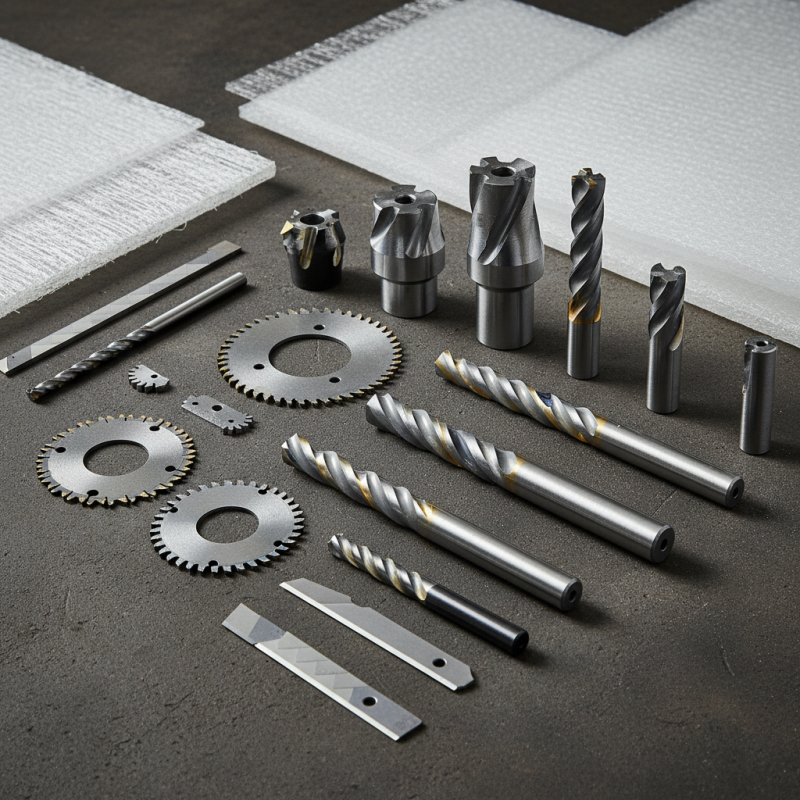
2026 How to Choose Tungsten Carbide for Fiberglass Cutting?

Understanding Tungsten Carbide and Its Properties

Tungsten carbide is a compound made from tungsten and carbon. It is renowned for its hardness and durability. This material is often used in cutting tools for various applications. When it comes to fiberglass cutting, understanding its properties is vital.

Tungsten carbide's high density and toughness make it ideal for cutting applications. It can withstand high temperatures and resist wear over time. The combination of these properties gives it a significant edge over other materials. However, users should be cautious. Even though tungsten carbide is robust, improper handling can lead to damage.

Proper selection is crucial. Not all tungsten carbide is created equally. Various grades exist, each with different performance characteristics. Users must consider their specific needs, such as the type of fiberglass being cut. Experimentation with different grades might be necessary. Knowing when to adapt is part of the process. The right choice can significantly enhance efficiency and tool lifespan.

Factors to Consider When Choosing Tungsten Carbide for Fiberglass

Choosing the right tungsten carbide for fiberglass cutting requires careful consideration of several crucial factors. The hardness of the tungsten carbide is paramount. Harder materials generally last longer and resist wear better. Industry reports show that tungsten carbide with a hardness rating above 85 HRA performs effectively in fiberglass applications. This is essential for maintaining sharp cuts, especially when working with high-density fiberglass composites.

The composition of tungsten carbide also plays a vital role. Different alloying materials can enhance performance attributes. For instance, adding cobalt can improve toughness but may reduce hardness. Similarly, variations in grain size can affect cutting efficiency. Research indicates that finer grains often provide better wear resistance, while coarser grains can enhance fracture toughness. The trade-offs between these properties can lead to imperfections in performance, leaving room for evaluation and improvement.

Cutting geometry is another factor to consider. A well-designed cutting edge can significantly impact the quality of the cut. Optimizing angles and edge configurations helps to avoid chipping and ensures smoother operation. However, achieving the perfect design is often a challenge. Small discrepancies can lead to inconsistent cutting results. Analyzing these factors and understanding their interplay is key to selecting the most effective tungsten carbide for fiberglass cutting applications.

Comparing Different Tungsten Carbide Grades for Cutting Applications

When selecting tungsten carbide for fiberglass cutting, understanding the grade variations is crucial. Different grades of tungsten carbide demonstrate unique hardness and toughness levels, impacting their performance. For instance, high cobalt content grades provide enhanced wear resistance, making them suitable for demanding applications. An industry report from the International Journal of Machining and Machinability of Materials highlights that a grade with 15% cobalt can outperform lower-grade alternatives in fiberglass cutting by 20%.

Moreover, the grain size of tungsten carbide plays a significant role. Finer grains tend to offer better carbide strength and improved edge retention. A study published in the Journal of Materials Science emphasizes that smaller grain sizes can reduce chipping. However, they might not hold up as long in heavy-duty operations. It’s essential to weigh these factors against your specific cutting needs and production volume.

Also, not all grades are universally suitable for every task. While a harder grade may cut effectively, it could be too brittle for continuous use. This brittleness may lead to unexpected failures, which could disrupt production timelines. Thus, it's important to match the tungsten carbide grade with the intended application. There are many choices available, and some may not meet the desired performance expectations. This makes careful selection vital for optimal results in fiberglass cutting.

Best Tools and Techniques for Cutting Fiberglass with Tungsten Carbide

When cutting fiberglass, choosing the right tools is essential. Tungsten carbide cutting tools are popular for their durability. They can withstand high temperatures and resist wear. Using these tools improves precision and minimizes splintering. For best results, select tools that fit your specific project needs.

Employing the proper techniques can significantly impact your cutting process. A slow and steady cutting speed is crucial. It prevents overheating and ensures clean cuts. Always keep the cutting blade sharp for optimal performance. Remember to use proper safety equipment, as fiberglass dust can be harmful. Protective eyewear and masks are essential to safeguard against irritation.

Experiment with different techniques to find what works best for you. Some may prefer wet cutting to reduce dust. Others might find dry cutting quicker and more efficient. Each method has its pros and cons. It is worth taking the time to refine your approach based on what you learn. This understanding helps in achieving better results and enhances your overall experience.

2026 How to Choose Tungsten Carbide for Fiberglass Cutting?

Feature Description Benefits Ideal Use Cases
Material Composition High-density tungsten carbide mixed with cobalt Enhanced durability and wear resistance Long-term cutting projects
Cutting Edge Geometry Sharp, precision-ground edges Improved cutting efficiency and reduced friction Detailed work on intricate fiberglass shapes
Heat Resistance Designed to withstand high temperatures Minimized risk of deformation or damage Continuous cutting without overheating
Compatibility Fits various cutting tools Versatile and adaptable for different applications Universal use in multiple projects
Price Mid to high range depending on specifications Higher initial investment for longer lifespan Cost-effective for frequent users

Maintenance and Care for Tungsten Carbide Cutting Tools

Proper maintenance of tungsten carbide cutting tools is essential for optimal performance. These tools are known for their durability and ability to cut through fiberglass effectively. However, neglecting care can lead to diminished effectiveness over time. Regular cleaning is important. A simple wipe with a soft cloth can remove resin residues that build up during use.

Inspection is also vital. Look for chips or cracks after each use. Even small damages can affect cutting quality. Store your tools in a dry, protective case. This prevents moisture damage and keeps them sharper for longer. While tungsten carbide is tough, it is not indestructible. Use appropriate cutting speeds and pressures to avoid unnecessary wear.

Sharpening is another aspect that requires attention. Unlike traditional blades, these tools may need specialized methods. It’s crucial to maintain the correct angle during sharpening. Many users forget this step, leading to ineffective cuts. Taking time to ensure proper technique can extend the tool’s lifespan significantly. Reflect on your maintenance routine. Are there areas for improvement? Small changes can yield significant benefits.

FAQS

: What is tungsten carbide made of?

: Tungsten carbide is a compound made from tungsten and carbon.

Why is tungsten carbide popular for cutting tools?

It is known for its hardness and durability, making it ideal for various cutting applications.

How does the grade of tungsten carbide affect performance?

Different grades have varying hardness and toughness, impacting their effectiveness in cutting tasks.

What role does grain size play in tungsten carbide?

Finer grains offer better strength and edge retention but may not last as long under heavy use.

Is it important to keep the cutting blade sharp?

Yes, a sharp blade ensures optimal performance and clean cuts when working with fiberglass.

What safety equipment should be used when cutting fiberglass?

Protective eyewear and masks are essential to prevent irritation from harmful fiberglass dust.

What cutting speed is recommended for fiberglass?

A slow and steady cutting speed helps prevent overheating and results in cleaner cuts.

Can any tungsten carbide grade be used for all tasks?

No, some grades may be too brittle for continuous use, leading to unexpected failures.

Should I experiment with cutting techniques?

Yes, trying different methods can help you find what works best for your specific needs.

What is a potential downside of using harder tungsten carbide grades?

They may be too brittle, which can disrupt production if they fail during use.

Conclusion

Tungsten Carbide for Fiberglass Cutting is a crucial consideration for anyone working with fiberglass materials. Understanding the unique properties of tungsten carbide, such as its hardness and resistance to wear, can greatly enhance cutting efficiency and precision. When selecting tungsten carbide for fiberglass applications, factors such as grade, geometry, and specific cutting techniques should be taken into account to ensure optimal performance.

Different grades of tungsten carbide can impact the effectiveness of the cutting process, making it essential to compare options based on intended use. Additionally, employing the best tools and techniques, alongside regular maintenance and care for tungsten carbide cutting tools, ensures longevity and reliability in cutting fiberglass. Overall, making informed choices about tungsten carbide can significantly improve workflow and results in fiberglass cutting endeavors.


Mason

Mason

Mason is a seasoned marketing professional with a deep expertise in the company's offerings and a passion for driving brand awareness. With a strong background in digital marketing strategies, he has an innate ability to connect with diverse audiences and effectively communicate product benefits.......