Industrial Carbide Blanks are essential components in various manufacturing processes. These robust materials are widely used in cutting tools, wear parts, and mining equipment. Their durability and high resistance to wear make them indispensable in industrial applications.
The importance of Industrial Carbide Blanks lies in their ability to enhance efficiency. They provide manufacturers with reliable solutions to produce high-quality products. However, not all carbide blanks are created equal. Variations in material composition can lead to differing performance levels. Understanding these nuances is crucial for industry professionals.
Many companies overlook the significance of proper selection and usage of Industrial Carbide Blanks. This can lead to premature wear and increased costs. Investing time in understanding the material can yield long-term benefits. In the world of manufacturing, knowledge and precision are key drivers of success.
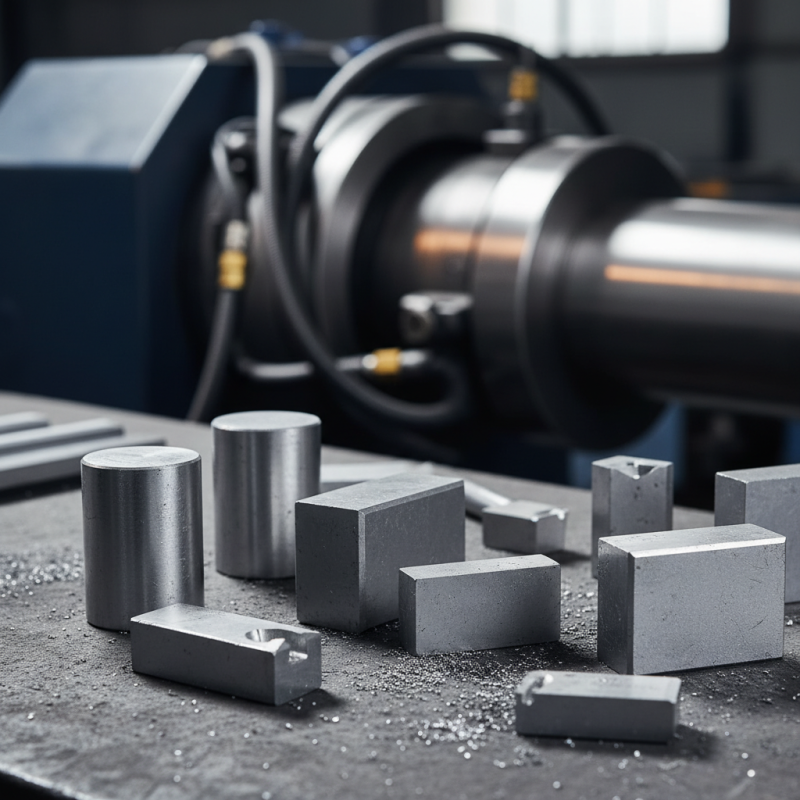
Industrial carbide blanks are vital materials in various manufacturing processes. They are primarily made from tungsten carbide, a compound known for its hardness and durability. The composition typically includes tungsten and carbon atoms, creating a dense structure that withstands high pressures and temperatures. This remarkable resilience makes carbide blanks essential in industries like mining, drilling, and metalworking.
When examining their importance, one must consider their unique properties. Carbide blanks have superior wear resistance compared to many other materials. This feature is particularly beneficial in tools and machinery that endure constant friction and stress. However, not all carbide products exhibit the same quality. Variations in manufacturing processes can lead to inconsistencies in performance. Understanding these nuances is crucial for choosing the right tool for specific applications.
Moreover, the sustainability of carbide materials invites scrutiny. Mining for raw materials poses environmental challenges. Efforts to recycle carbide tools are ongoing, yet the industry still grapples with waste management. A shift towards more eco-friendly practices is necessary. Without reflection on these aspects, the long-term viability of carbide technology may be compromised.
Industrial carbide blanks play a crucial role in a variety of industries, especially in manufacturing and machining. These materials, typically made of tungsten carbide, are known for their exceptional hardness and wear resistance. The global tungsten carbide market was valued at approximately $16 billion in 2022 and is projected to grow at a CAGR of around 6% from 2023 to 2030. This growth reflects the increasing demand for carbide tools across sectors, such as automotive, aerospace, and mining.
In the automotive industry, carbide blanks are essential for producing precise cutting tools and dies. They enable the production of components with tight tolerances, crucial in today's competitive market. In aerospace, carbide is favored for its lightweight yet durable properties, facilitating the creation of components that withstand extreme conditions. Additionally, in the mining sector, carbide materials are used in drill bits and cutting tools, significantly enhancing efficiency and productivity. Despite these advantages, manufacturers must consider challenges such as material cost fluctuations and supply chain disruptions.
The versatility of industrial carbide blanks allows their application in diverse environments. For example, they are used in heavy machinery to improve performance and lifespan. However, the environmental impact of carbide production has raised concerns. Industry experts emphasize the need for sustainable practices in sourcing raw materials. As industries evolve, there is room for improvement in adopting environmentally friendly processes while maintaining productivity and efficiency.
| Industry | Application | Benefits of Using Carbide Blanks | Common Challenges |
|---|---|---|---|
| Manufacturing | Cutting Tools | High wear resistance and durability | High cost of raw materials |
| Aerospace | Drilling Components | Enhanced precision | Complex manufacturing processes |
| Oil & Gas | Drilling Bits | Superior toughness under extreme conditions | Environmental regulations |
| Automotive | Forming Tools | Improved productivity | Maintaining tool life |
| Medical | Surgical Instruments | High precision and sterility | Strict manufacturing tolerances |
Carbide blanks are essential in industrial applications. They are manufactured from tungsten carbide, a material known for its exceptional hardness and durability. This makes carbide blanks ideal for cutting tools, molds, and dies. The precision in their production allows for tight tolerances, which is vital in producing high-quality parts. These attributes lead to improved efficiency in manufacturing processes.
Using carbide blanks offers numerous advantages over traditional materials. They provide extended tool life, reducing the need for frequent replacements. This, in turn, minimizes downtime for manufacturers. Additionally, carbide blanks can withstand extreme conditions, such as high temperatures and corrosive environments. This reliability translates into cost savings over time. However, the initial investment in carbide materials may be higher, reflecting their advanced technology.
While carbide blanks have many benefits, they are not without challenges. The brittleness of carbide can lead to chipping under high stress. This aspect requires careful handling and design considerations. Moreover, some may struggle with the machining of carbide due to its properties. Balancing these factors is necessary for maximizing the benefits of carbide in industrial applications.
Industrial carbide blanks are crucial in various manufacturing processes. These materials possess high hardness and wear resistance, vital for tools used in cutting, drilling, and machining. The production of these blanks involves several key processes.
One common method is pressing, where carbide powder is compacted into shapes under high pressure. This step is essential for achieving the desired density and strength. After pressing, the blanks are sintered in a furnace. This process binds the carbide particles together, significantly enhancing the material’s durability.
Another method involves cold isostatic pressing. This technique evenly distributes pressure around the sample, ensuring a uniform composition. It can lead to improved performance in the final product.
Tips: When working with carbide blanks, consider the grain size of the carbide powder. Smaller grains may result in harder materials. Always monitor your sintering temperature closely. Overheating can lead to material degradation.
Quality control is vital. Inspect your blanks for inconsistencies. Even slight imperfections can impact performance. Thoughtful monitoring during production must not be overlooked.
The future of carbide blank technology is vibrant and evolving. Innovations are focused on enhancing durability and performance. Manufacturers are experimenting with new compositions, aiming for higher hardness and resistance to wear. Advances in precision machining are leading to better tolerances. This boosts efficiency in production processes, reducing waste and costs.
Smart technology integration is another key trend. Sensors embedded in tools can monitor wear in real time. This allows for predictive maintenance, enhancing productivity. However, this technology is still developing, raising questions about reliability and data management.
Sustainability is also becoming a priority. More companies are seeking eco-friendly production methods for carbide blanks. The challenge remains in balancing environmental considerations with performance demands. Ongoing research is essential to find viable solutions. As the industry progresses, staying informed and adaptable will be crucial.
: They are primarily made from tungsten carbide, consisting of tungsten and carbon atoms.
Their hardness and durability make them essential for tools and machinery in various industries.
They have superior wear resistance, which benefits tools experiencing constant friction.
No, variations in manufacturing can lead to performance inconsistencies.
Mining for raw materials poses environmental challenges and waste management remains an issue.
They offer extended tool life and withstand extreme conditions, improving manufacturing efficiency.
Their brittleness can cause chipping under high stress, requiring careful handling.
Yes, they can lead to cost savings over time but may require higher initial investments.
Balancing the benefits with challenges like machining difficulties and brittleness is crucial.
Yes, recycling efforts are underway, but more eco-friendly practices are needed for long-term viability.
Industrial Carbide Blanks are key materials composed predominantly of tungsten carbide, known for their exceptional hardness and durability. These blanks find applications across various industries, including manufacturing, mining, and aerospace, where they are used for cutting tools, wear-resistant parts, and precision components. The advantages of using Industrial Carbide Blanks over traditional materials include superior resistance to wear and thermal stability, which lead to increased efficiency and longevity in demanding applications.
The manufacturing processes for Industrial Carbide Blanks typically involve powder metallurgy techniques, ensuring precise control over their composition and properties. Looking ahead, the trend in carbide blank technology points towards advancements in additive manufacturing and nanotechnology, which promise to further enhance their performance and expand their applications. As industries continue to evolve, the importance of Industrial Carbide Blanks is likely to grow, offering innovative solutions to meet the challenges of modern manufacturing.

Shen Gong Carbide