In the realm of precision cutting, the importance of high-quality carbide slitting knives is unquestionable. Industry expert Dr. Emily Carter, a renowned authority in cutting tool technology, asserts, "The right carbide slitting knives can drastically affect productivity and precision." With such insights, it becomes apparent why these tools are essential in various manufacturing sectors.
Carbide slitting knives offer durability and sharpness. They are designed to withstand high pressure and maintain their edge longer than traditional steel blades. Their effectiveness shines in applications ranging from textiles to metal working. However, not all slitting knives are created equal. Selecting the right one for specific tasks can be challenging.
Some users may find themselves grappling with choices. The variety available can lead to confusion. It is essential to consider factors such as blade geometry and material grade. Mistakes in selection can result in inefficiencies or poor quality cuts, impacting the final product. Thus, understanding the nuances of carbide slitting knives is vital for achieving optimal results.
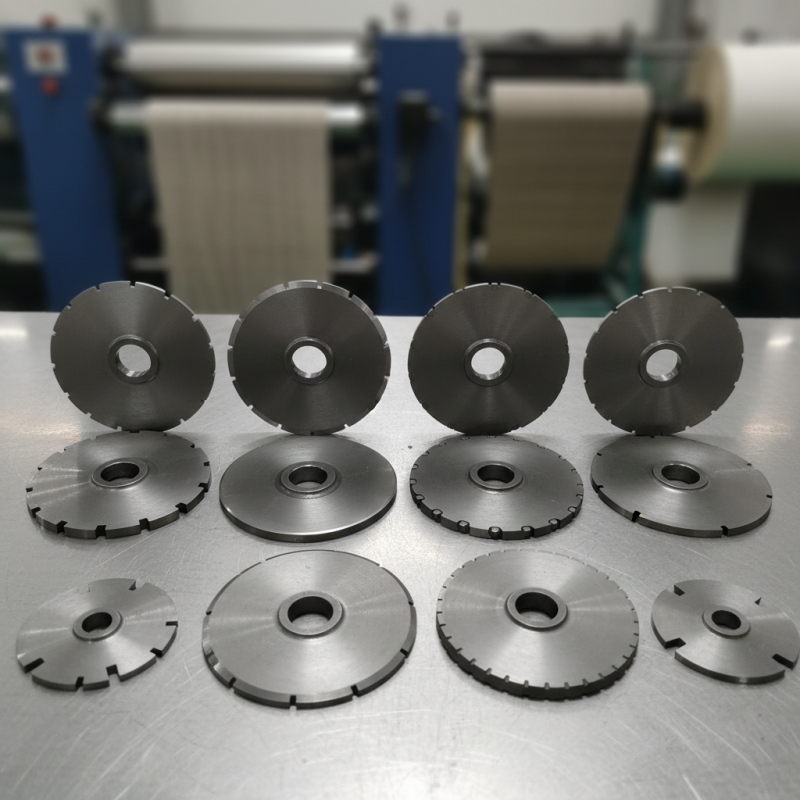
Understanding Carbide Slitting Knives: Definition and Uses
Carbide slitting knives are essential tools in precision cutting applications. These knives are made from tungsten carbide, which offers superior hardness and wear resistance. They are commonly used in industries like packaging, textile, and metal processing. The durability of carbide knives allows them to maintain sharp edges longer than their steel counterparts. This is crucial for achieving clean cuts and reducing downtime for blade changes.
Tips: Always assess the material you'll be cutting. Different materials require specific knife designs. Keep your tools clean to maintain performance. Regular inspection for wear can prevent unexpected failures.
Proper use of carbide slitting knives can enhance productivity. Ensure your equipment is calibrated correctly for the best cuts. A knife that’s too dull will compromise the quality of the end product. Occasionally, it might be necessary to test several knives to find the best fit for your specific task. The right knife can make a significant difference in efficiency.
Investing in high-quality carbide knives pays off in the long run. They can handle varied thicknesses without sacrificing quality. However, this investment may require a higher upfront cost. Reflecting on how an effective knife choice impacts your workflow can lead to better decisions in your cutting processes.
Key Features to Look for in Precision Cutting Knives
When choosing carbide slitting knives, precision is key. Look for features that enhance accuracy. A sharp, durable edge is essential. This allows for clean cuts and minimizes waste. High-quality materials often lead to longer tool life and better performance under stress. Thinner blades can provide finer cuts, but they may require more frequent replacements.
Additionally, the geometry of the blade plays a vital role. A well-designed profile reduces friction and allows smoother slicing. Consider the knife’s compatibility with different materials. Some knives excel in specific applications but may struggle with others. Always check specifications and user feedback. Each cutting task presents unique challenges, and the wrong knife can lead to poor results.
Another aspect to ponder is maintenance requirements. Some knives may need regular sharpening or special storage conditions. These factors can impact your workflow. Balancing performance and upkeep is crucial. Reflecting on these elements ensures you select the right carbide slitting knife for precision demands.
Top 10 Brands Manufacturing Quality Carbide Slitting Knives
When it comes to precision cutting, carbide slitting knives are essential in various industries. The demand for these tools is rising. According to a recent industry report, the global market for carbide cutting tools is expected to reach $20 billion by 2025. This growth indicates that businesses increasingly rely on quality tools for efficiency.
Several brands consistently stand out in the manufacturing of carbide slitting knives. These brands emphasize cutting-edge technology and superior material quality. They implement rigorous testing to ensure durability and precision. A survey revealed that over 70% of professionals prefer carbide over traditional steel for slitting applications. This choice significantly reduces tool wear and improves cutting accuracy.
However, not all carbide knives are made equal. Users often encounter inconsistent quality, leading to unexpected project delays. Some manufacturers focus primarily on cost reduction, affecting the overall performance of their products. It’s crucial for buyers to conduct thorough research. Investigating user reviews and performance data can help in selecting reliable brands. Quality tools are an investment in efficiency, reflecting the need for decision-making based on experience and informed data.
Comparative Analysis of the Best Carbide Slitting Knives
When selecting carbide slitting knives, precision is paramount. These cutting tools show vast improvements in durability and performance. According to industry data from the Cutting Tool Engineering magazine, carbide slitting knives can outperform traditional materials by nearly 200% in lifespan when used correctly. This is crucial for manufacturers aiming for high efficiency.
The effectiveness of carbide knives stems from their hardened surface and sharp edge retention. A recent analysis by the American Society of Mechanical Engineers highlights that an optimal edge sharpness contributes to a smoother cut with minimal friction. However, many users overlook the importance of maintaining these knives. Regular sharpening and proper storage can significantly extend their utility, yet some operators neglect these aspects, leading to premature wear.
Furthermore, the market offers various carbide grades, each providing different cutting characteristics. A detailed comparison in industry reports shows that fine-grained carbide options often yield better performance in precision applications. Many professionals, however, are unaware of effectively matching knife grades to material types. This gap in knowledge could lead to inefficiencies and unnecessary material costs.
Top 10 Carbide Slitting Knives for Precision Cutting Needs
| Knife Model |
Material |
Diameter (mm) |
Thickness (mm) |
Usage |
Recommended Speed (m/min) |
| Model A |
Carbide |
100 |
1.5 |
Paper |
200 |
| Model B |
High-Speed Steel |
120 |
2.0 |
Textiles |
250 |
| Model C |
Carbide |
80 |
1.0 |
Plastics |
150 |
| Model D |
Carbide |
75 |
1.2 |
Foam |
180 |
| Model E |
Carbide |
95 |
1.8 |
Leather |
220 |
| Model F |
Carbide |
110 |
1.3 |
Cardboard |
170 |
| Model G |
Carbide |
85 |
1.6 |
Rubber |
160 |
| Model H |
Carbide |
130 |
1.4 |
Composite |
210 |
| Model I |
Carbide |
115 |
1.7 |
Wood |
175 |
| Model J |
Carbide |
90 |
1.9 |
Metal |
230 |
Maintenance Tips for Prolonging the Life of Carbide Slitting Knives
Maintaining carbide slitting knives is essential for optimal performance. These tools are designed for precision cutting but can wear out quickly without proper care. Regular cleaning after each use helps prevent residue buildup. A simple wipe with a soft cloth removes debris and protects the blade’s sharpness.
Storing knives correctly is another crucial aspect. Place them in a protective case or rack to avoid accidental damage. A dry environment prevents rust, which can lead to ineffective cutting. Inspecting the knives regularly for signs of wear should be part of your routine. Look for chips or dullness that could affect cutting quality.
Utilizing appropriate cutting speeds also extends the knives' lifespan. Too fast can cause overheating, while too slow can dull the edge. Balancing these factors requires experience and might take time to perfect. Understanding when to resharpen blades is key. Pushing them too far can lead to more significant issues, requiring eventual replacement.
FAQS
: Look for a sharp, durable edge for clean cuts. Blade geometry impacts friction and slicing ease.
Thinner blades offer finer cuts but may need frequent replacements. Balance is necessary for efficiency.
Better materials lead to longer tool life and improved performance under stress, reducing waste and project delays.
Regular sharpening and proper storage extend knife life. Neglecting this can cause premature wear.
No, some knives perform better with specific materials. Consider compatibility to avoid poor results.
Reviews provide insights on performance and quality. Trustworthy data informs better purchasing decisions.
No, inconsistent quality exists among manufacturers. Conduct thorough research to find reliable options.
Using an inappropriate knife can lead to inefficiencies and increased material costs. Reflect on your needs.
Regular maintenance significantly improves cut smoothness and reduces friction. Ignoring this affects precision.
Match knife grades with material types. Understanding this can prevent waste and enhance cutting efficiency.
Conclusion
Carbide slitting knives are essential tools in various precision cutting applications, offering durability and sharpness that enhance cutting performance. Understanding their definition and uses is crucial for selecting the right knife for specific tasks, whether in manufacturing, printing, or packaging. Key features to consider include material composition, blade thickness, and cutting edge design, which all contribute to the knife's effectiveness and longevity.
This article provides a comparative analysis of the top carbide slitting knives available, focusing on their unique attributes and performance metrics. Additionally, it offers valuable maintenance tips to prolong the life of carbide slitting knives, ensuring optimal performance and cost-effectiveness over time. By following these guidelines, users can make informed decisions and improve their cutting processes significantly.

 Shen Gong Carbide