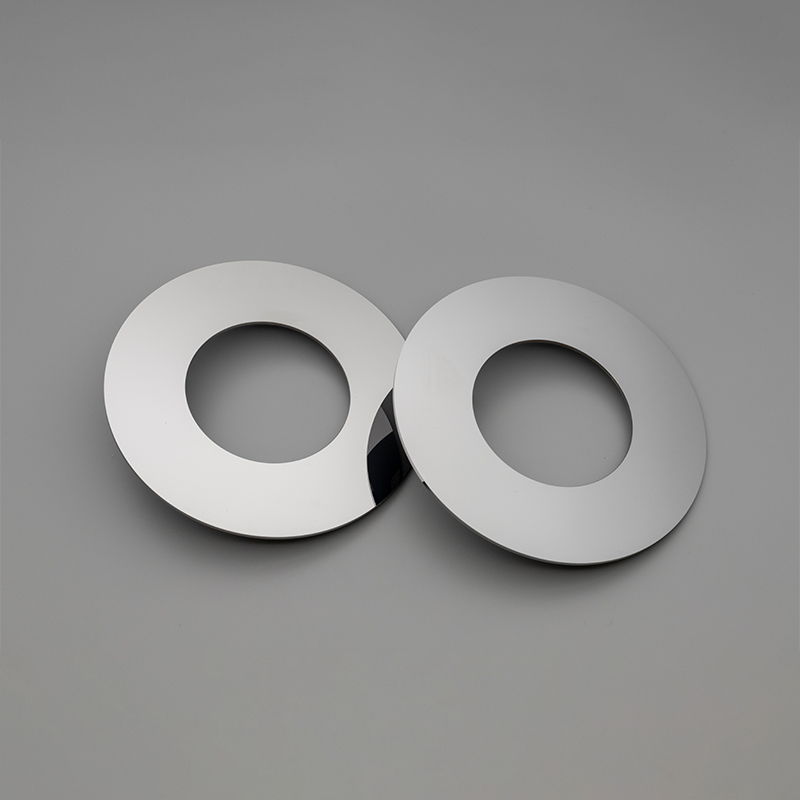
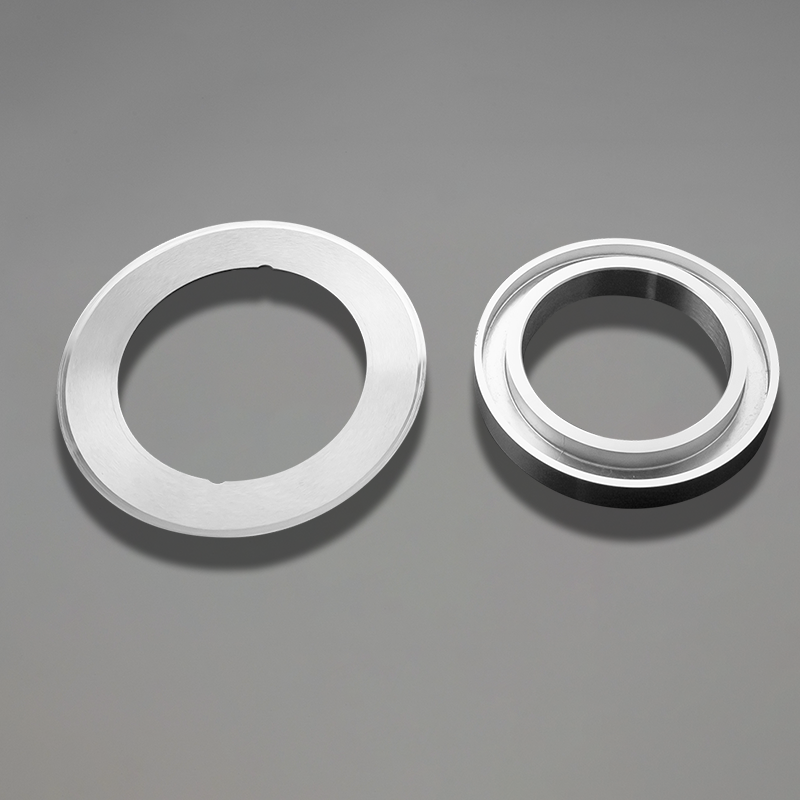
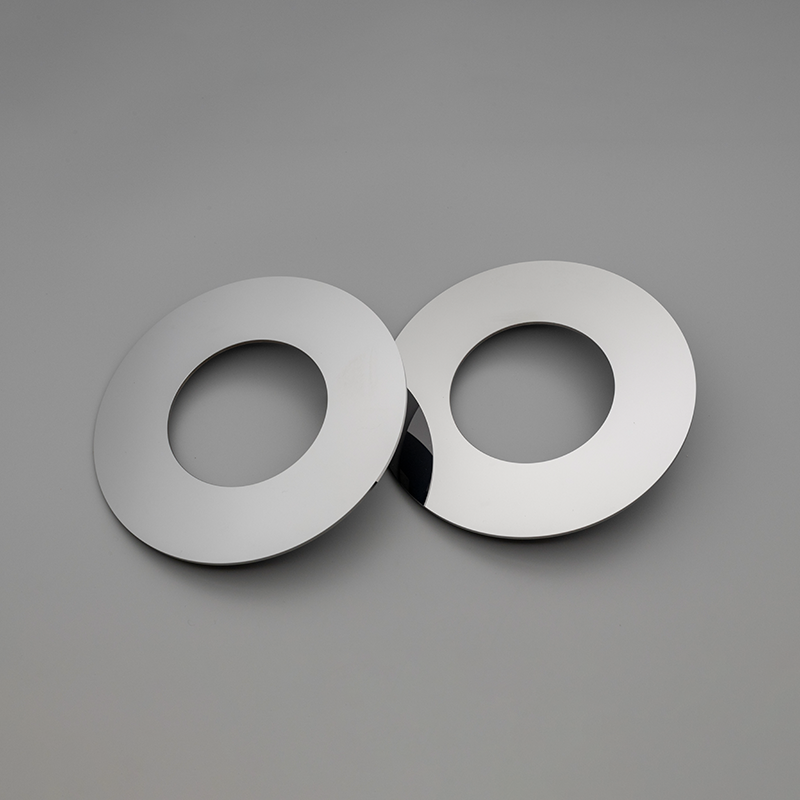
Product Description
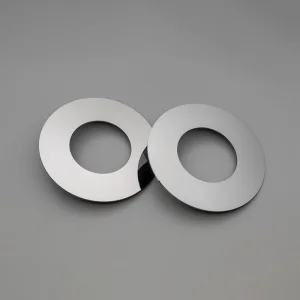
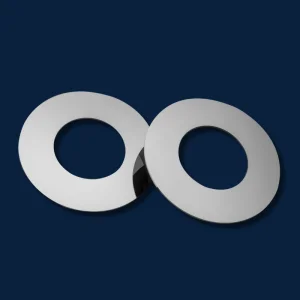
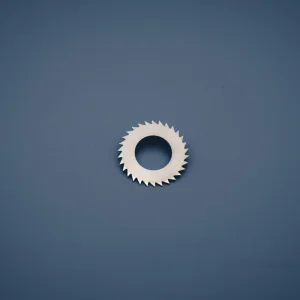
Unlike traditional carbide slitting circular knives that pursue extreme wear resistance, the cermet slitting circular knife focuses on a delicate balance between "adequacy, stability, and economy." Its internal structure is scientifically optimized to maintain a good cutting edge condition during high-speed continuous slitting, effectively reducing abnormal chipping and unplanned wear.
In the current market environment of frequent fluctuations in tungsten carbide prices, this product helps customers significantly reduce tool procurement and usage costs, especially suitable for high-volume, standardized, and long-cycle slitting production lines.
Key Features
💰
Low Overall Cost of Use
Optimized tungsten content, controllable material costs, and more competitive cost per unit slitting length.
⚖️
Excellent Edge Stability
Improved grain structure and bonding phase design significantly reduce the probability of micro-chipping.
⚡
High-Speed Continuous Slitting
Low cutting resistance and low heat generation help maintain consistent cut surface quality.
📦
Strong Batch Consistency
Mature and stable process, suitable for long-term, repetitive procurement needs.
⚙️
High Customization Flexibility
Supports customized solutions for various sizes, blade types, and specific application scenarios.
Specifications
| Size (OD-ID-T/mm) |
Blade Type |
Surface Treatment |
| Customizable as needed |
Single-edge / Double-edge / Micro-beveling blade |
Optional anti-stick, anti-friction, and other functional coatings |
Applicable Fields
The cermet slitting circular blade is particularly suitable for slitting the following industries and materials:
Packaging & Printing (Films, Paper)
Tape & Label (BOPP, PET, PVC)
New Energy (Battery separators)
Continuous Slitting Scenarios
Frequently Asked Questions
Can the cermet slitting circular blade completely replace cemented carbide?
Not suitable for all scenarios, but in most stable, non-high-impact slitting conditions, cermet has the potential to replace it and is a more cost-effective choice.
Is its service life necessarily shorter than that of cemented carbide?
Under extremely harsh conditions, its wear resistance may be inferior. However, in most actual production scenarios, its lifespan is sufficient and its cost per slitting cycle is more advantageous.
Is cermet prone to chipping?
With continuous upgrades in materials and processes, resistance to micro-chipping has been significantly improved, making it suitable for standardized, continuously operating equipment.
What specific materials can these blades handle?
They are ideal for slitting films, paper, composite materials, protective films, and lithium battery separators.
How does cermet perform in high-speed operations?
It features low cutting resistance and low heat generation, which is essential for maintaining consistent cut surface quality during high-speed continuous slitting.
Are custom sizes and coatings available for these blades?
Yes, we support high customization flexibility for various sizes, blade types, and functional coatings like anti-stick or anti-friction treatments.
 Shen Gong Carbide